
The cultural significance of gambling a deep dive into traditions and beliefs
The cultural significance of gambling a deep dive into traditions and beliefs
The Historical Context of Gambling
The roots of gambling can be traced back to ancient civilizations, where games of chance served as a means of social interaction and spiritual significance. In many cultures, gambling activities were closely tied to religious rituals and community bonding. For instance, the ancient Chinese used dice for divination, believing that outcomes could reveal insights about the future. These early practices laid the groundwork for gambling traditions that continue to evolve today, illustrating how deeply woven these activities are into human history. Many players today prefer modern platforms, such as payid casino, which offer fast transactions and a user-friendly experience.

Similarly, in ancient Rome, gambling was a popular pastime among citizens and was often featured in festivals and public celebrations. The Roman culture embraced the thrill of risk and chance, using various forms of betting not only for entertainment but also for social stratification. The popularity of gambling in Rome highlights its role in societal interaction, showcasing how it transcended mere entertainment to become a vehicle for social connection.
As societies advanced, so too did gambling practices. With the establishment of casinos in the 17th century, particularly in Venice, gambling evolved into a more structured and regulated activity. This transformation reflects broader societal changes, where the perception of gambling shifted from taboo to a legitimate form of leisure and economic activity, paving the way for modern gambling as we know it.
Gambling in Cultural Rituals
Gambling is often intertwined with cultural rituals and traditions, manifesting in various forms around the world. In many Indigenous cultures, gambling games serve as a means of storytelling and cultural preservation. For example, some Native American tribes utilize traditional games like “stick games” not only for entertainment but as a way to pass down history and teach younger generations about their heritage. This dual purpose underlines the importance of gambling as a cultural tool, bridging the gap between past and present.
In Asian cultures, the New Year celebrations frequently include various forms of gambling, such as playing cards or betting on games of chance. These activities are often accompanied by specific rituals meant to attract good fortune and prosperity for the upcoming year. The strong association between gambling and cultural beliefs in luck or fortune reflects how deeply ingrained these practices are in societal values and communal identities.
Furthermore, events like the Lunar New Year and Diwali often feature gambling as a means of bringing communities together. Celebratory games not only promote social interaction but also reinforce cultural identities, showing that gambling is more than a mere game; it is a celebration of heritage and community bonding.
Beliefs and Superstitions Surrounding Gambling
Throughout history, various beliefs and superstitions have developed around gambling, illustrating its psychological impact on players. Many gamblers adhere to specific rituals that they believe can influence their luck, such as wearing particular clothing or carrying lucky charms. This is especially prevalent in cultures where luck is seen as a controlling force, and such rituals serve as a means to regain a sense of control over the unpredictable nature of chance.
For example, in Western cultures, certain numbers are considered lucky or unlucky, leading players to favor specific bets based on these beliefs. This highlights how gambling is not merely about statistical probabilities but also deeply influenced by cultural narratives and individual perceptions of luck. The intertwining of superstition with gambling practices adds a layer of emotional complexity to the act of betting, making it as much about belief as it is about chance.
Moreover, the psychological aspect of gambling can lead to unique social dynamics among players, with shared beliefs fostering camaraderie or competition. These social interactions can significantly affect how individuals approach gambling, either as a communal activity or a solitary pursuit. The diverse beliefs surrounding gambling showcase its role not just as a pastime but as a reflection of cultural attitudes toward luck, risk, and community.
The Economic Impact of Gambling
The economic significance of gambling cannot be understated, as it serves as a substantial revenue source for many governments and communities. The establishment of casinos and betting establishments has created millions of jobs and stimulated local economies, particularly in regions where tourism is a primary economic driver. This economic impact illustrates the dual nature of gambling as both entertainment and a serious economic activity, revealing its multifaceted role in society.
Additionally, tax revenues generated from gambling activities often contribute to funding for public services and infrastructure. Many states use this revenue to support education, healthcare, and community development projects. This financial aspect demonstrates how gambling, while sometimes viewed negatively, can positively affect broader societal issues by providing much-needed funds for essential services.
However, the economic benefits must be balanced against the social costs associated with gambling. Issues such as addiction and financial distress can arise, leading to significant personal and social consequences. As such, it is crucial for societies to approach gambling with a balanced perspective, recognizing both its economic potential and the need for responsible regulation to mitigate negative impacts.
Modern Perspectives and Future Trends in Gambling
In contemporary society, gambling has transformed dramatically due to technological advancements. Online gambling platforms have made it more accessible than ever, allowing people to participate from the comfort of their homes. This shift has not only broadened the audience for gambling but has also raised concerns about addiction and regulation, prompting discussions about the need for updated laws to protect consumers.
Moreover, the rise of mobile gambling and esports betting has introduced a new generation to the world of gaming and wagering. This evolution reflects changing cultural attitudes toward gambling, particularly among younger demographics who view it as a form of entertainment rather than a taboo. The integration of gambling into everyday digital experiences suggests a future where gambling becomes an even more normalized aspect of leisure activities.
As gambling continues to evolve, its cultural significance will likely shift as well, making it imperative for societies to adapt their views and regulations accordingly. Understanding the underlying beliefs, traditions, and economic implications of gambling will be essential for navigating its future in a rapidly changing world.
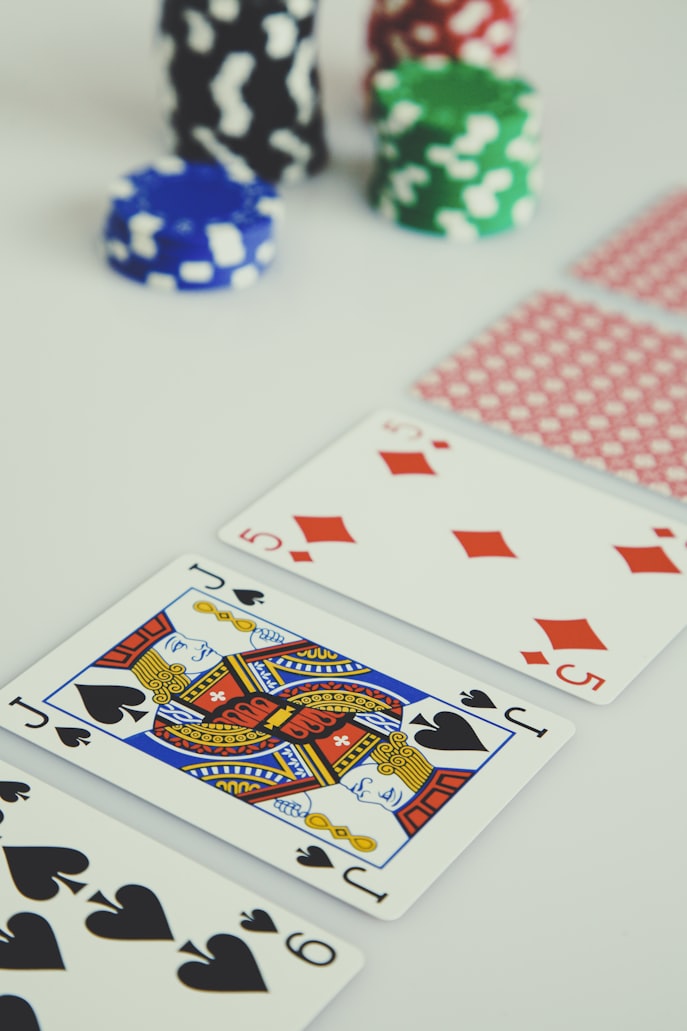
Conclusion: The Cultural Tapestry of Gambling
In summary, the cultural significance of gambling is a rich tapestry woven from historical context, rituals, beliefs, and economic factors. Its evolution from ancient times to modern-day practices showcases how gambling has continually adapted to reflect societal values and norms. Whether viewed as a means of entertainment, a cultural ritual, or a serious economic endeavor, gambling holds a unique place in human experience.
As we look toward the future, it is crucial to recognize the intricate relationship between gambling and culture. By understanding the diverse traditions and beliefs associated with gambling, we can foster a more informed perspective on its role in society. Ultimately, the cultural significance of gambling is a testament to its enduring appeal and complex nature, inviting ongoing exploration and discussion.