
The Power of a Balanced Diet: How Nutrition Transforms Your Health
Introduction: Why Nutrition is the Foundation of Health
In a world full of fad diets and quick fixes, one truth stands strong: a balanced diet is the cornerstone of good health. What we eat fuels our bodies, affects our mood, and determines our long-term well-being. In this article, we’ll explore the key elements of a balanced diet, its impact on physical and mental health, and how you can make small, sustainable changes to boost your wellness.
What is a Balanced Diet?
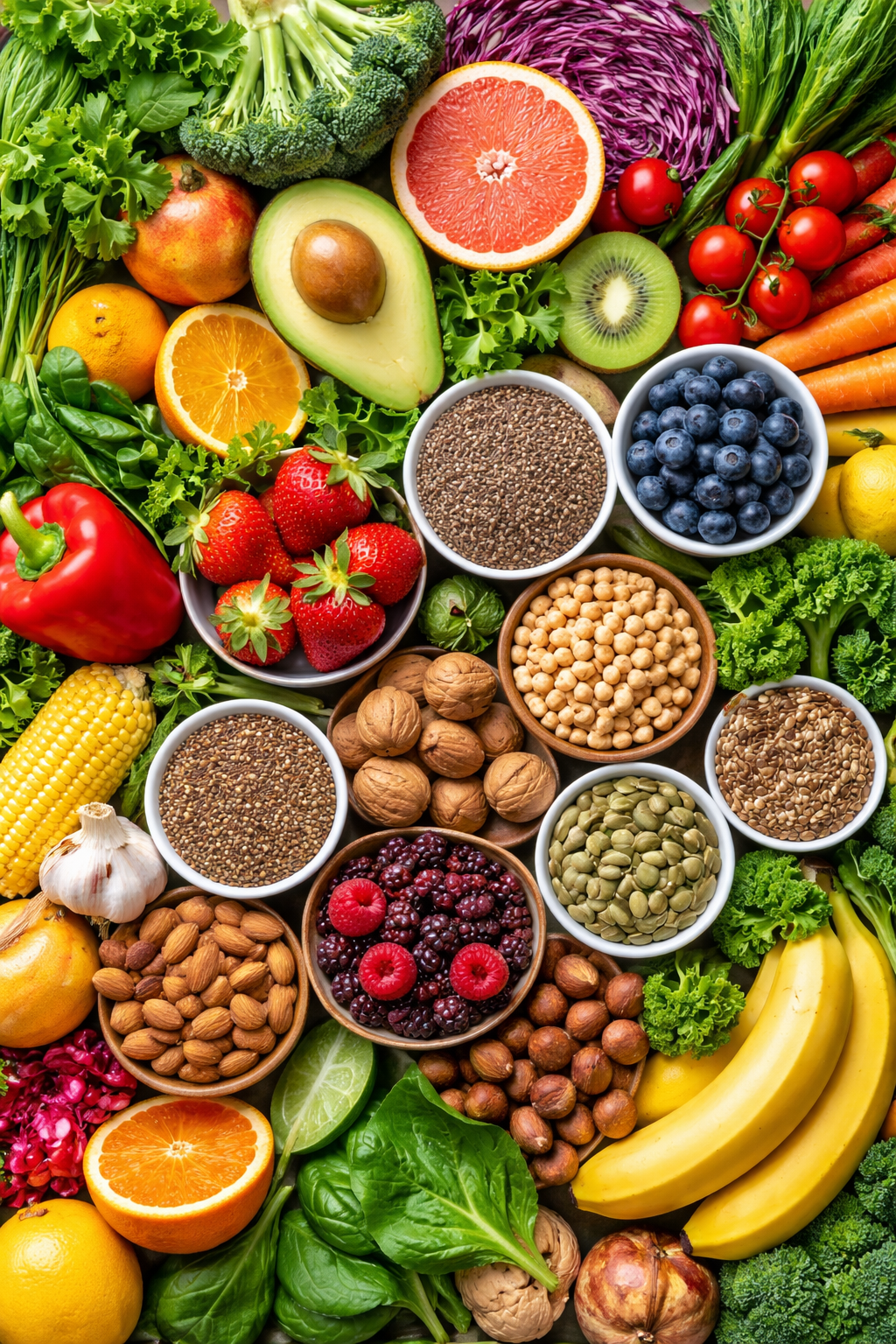
A balanced diet consists of a variety of foods in the right proportions to provide the nutrients your body needs. It includes macronutrients—carbohydrates, proteins, and fats—as well as micronutrients, such as vitamins and minerals. Eating a variety of colorful fruits, vegetables, whole grains, lean proteins, and healthy fats ensures your body gets everything it needs to thrive.

The Role of Macronutrients
Macronutrients are essential for providing energy and maintaining bodily functions. Carbohydrates are the body’s primary energy source, proteins help build and repair tissues, and fats support cell growth and hormone production. Striking a balance between these macronutrients is key.
Image suggestion: A simple infographic showing the three macronutrients—carbs, proteins, and fats—along with examples of each.
Micronutrients: The Unsung Heroes
While macronutrients provide energy, micronutrients—vitamins and minerals—are crucial for supporting immune function, bone health, and cognitive performance. For example, vitamin C boosts immunity, calcium supports bones, and iron is vital for oxygen transport.
Mental Health and Nutrition
Nutrition doesn’t just affect physical health; it also plays a key role in mental well-being. Studies show that diets rich in omega-3 fatty acids, whole grains, and antioxidants can reduce the risk of depression and anxiety. When we fuel our bodies with nutrient-dense foods, we also empower our minds.
Image suggestion: A calm breakfast scene with whole-grain oats, berries, and a cup of green tea.
Hydration: The Often Overlooked Health Hero
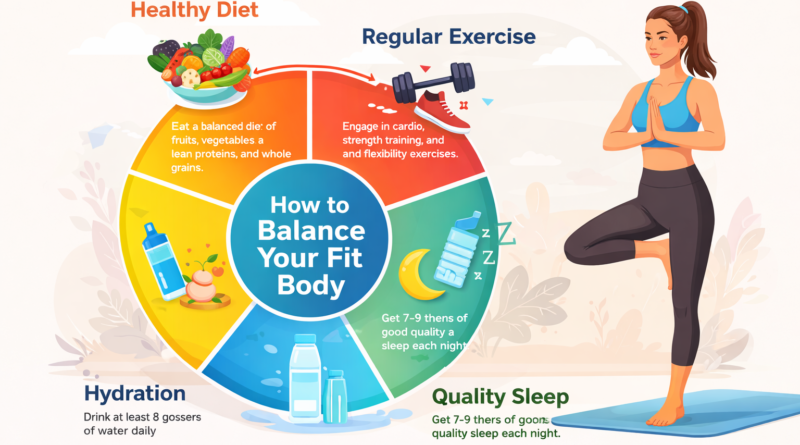
Water is often forgotten in the conversation about health, but it is vital. Hydration supports digestion, circulation, and even brain function. Adults should aim for at least 8 glasses of water a day, more if you are active.

Common Pitfalls: What to Avoid
Healthy eating isn’t just about what you add; it’s also about what you reduce. Highly processed foods, excess sugar, and trans fats can lead to inflammation, weight gain, and chronic disease. Be mindful of hidden sugars, sodium, and artificial ingredients.

Practical Tips for Building a Balanced Diet
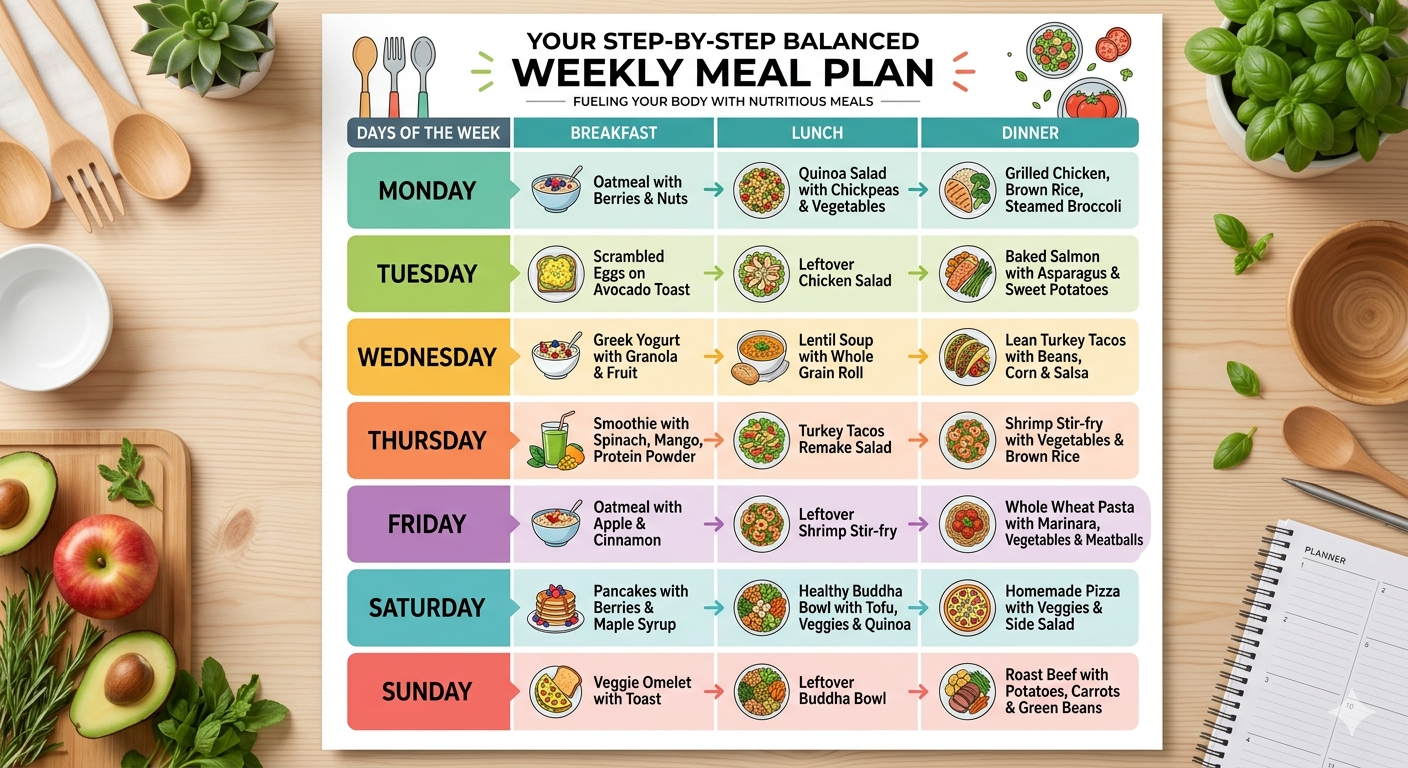
Building a balanced diet doesn’t have to be complicated. Start by filling half your plate with vegetables and fruits, one quarter with lean protein, and one quarter with whole grains. Plan meals ahead, stay mindful of portion sizes, and aim for variety. Even small changes, like swapping out sugary snacks for nuts or fruits, make a big difference.
Exercise and Diet: A Powerful Duo
While nutrition is crucial, it works hand in hand with physical activity. Regular exercise—whether it’s walking, cycling, or strength training—helps your body utilize nutrients better, improves metabolism, and supports heart health. Together, healthy eating and regular movement form the foundation for a resilient, energetic life.

Conclusion: Small Steps, Big Changes
Adopting a balanced diet is a journey, not a quick fix. Every small step—choosing water over soda, adding an extra serving of veggies, or cooking at home—builds a foundation for lasting health. Remember, your health is your greatest wealth, and the choices you make today shape your future. Start small, stay consistent, and your body will thank you.