
Myths and misconceptions about gambling Debunking common beliefs
Myths and misconceptions about gambling Debunking common beliefs
Understanding the Basics of Gambling
Gambling is often misunderstood, with many believing that it is solely based on luck. While luck does play a role, various factors also influence the outcome, including skill, strategy, and knowledge of the game. For example, poker requires not just a good hand but also the ability to read opponents and manage one’s chips wisely. In this context, engaging with the aviator game can illustrate how skill and strategy can intertwine in a thrilling gambling experience, further enhancing one’s understanding of the nuances involved.

Furthermore, many people think that all forms of gambling are the same. However, the dynamics vary greatly between games such as slots, table games, and sports betting. Each game has its own set of rules, odds, and strategies that can significantly impact a player’s chances of winning. Understanding these intricacies can empower players to make informed decisions rather than relying solely on chance.
Moreover, the emotional and psychological aspects of gambling are often overlooked. Players may feel that they can control the game through sheer willpower, but this notion can lead to reckless behavior. Acknowledging the emotional stakes involved can help individuals make healthier decisions when engaging in gambling activities.
Debunking the ‘Hot and Cold’ Myth
One prevalent myth in gambling is the belief in “hot” and “cold” machines or tables. Players often think that if a slot machine hasn’t paid out in a while, it’s due for a big win. This notion is misleading and can lead to misguided strategies. Each spin of a slot machine is independent and random, meaning past results do not affect future outcomes. Slot machines are designed to operate on random number generators, ensuring fairness and unpredictability.
Additionally, some gamblers carry the belief that they can sense when a game is about to turn favorable, often referred to as “gambling intuition.” While this may stem from a natural human desire to find patterns, it can lead to significant losses. The reality is that gambling is rooted in mathematics and probability rather than gut feelings or superstitions, which further debunks the “hot and cold” myth.
Understanding this concept can change how players approach their gambling experience. Instead of chasing losses or waiting for a machine to “warm up,” a more sensible strategy is to set budgets and stick to them. This approach not only makes for a healthier gambling experience but also promotes responsible gaming habits.
The Illusion of Skill in Games of Chance
Many people hold the misconception that skill can overcome chance in games typically categorized as luck-based, such as lotteries or roulette. While strategic betting can improve one’s odds in certain situations, the fundamental nature of these games is that the outcome is random. For instance, in a game of roulette, regardless of the strategies employed, the ball will always land randomly on one of the numbers.
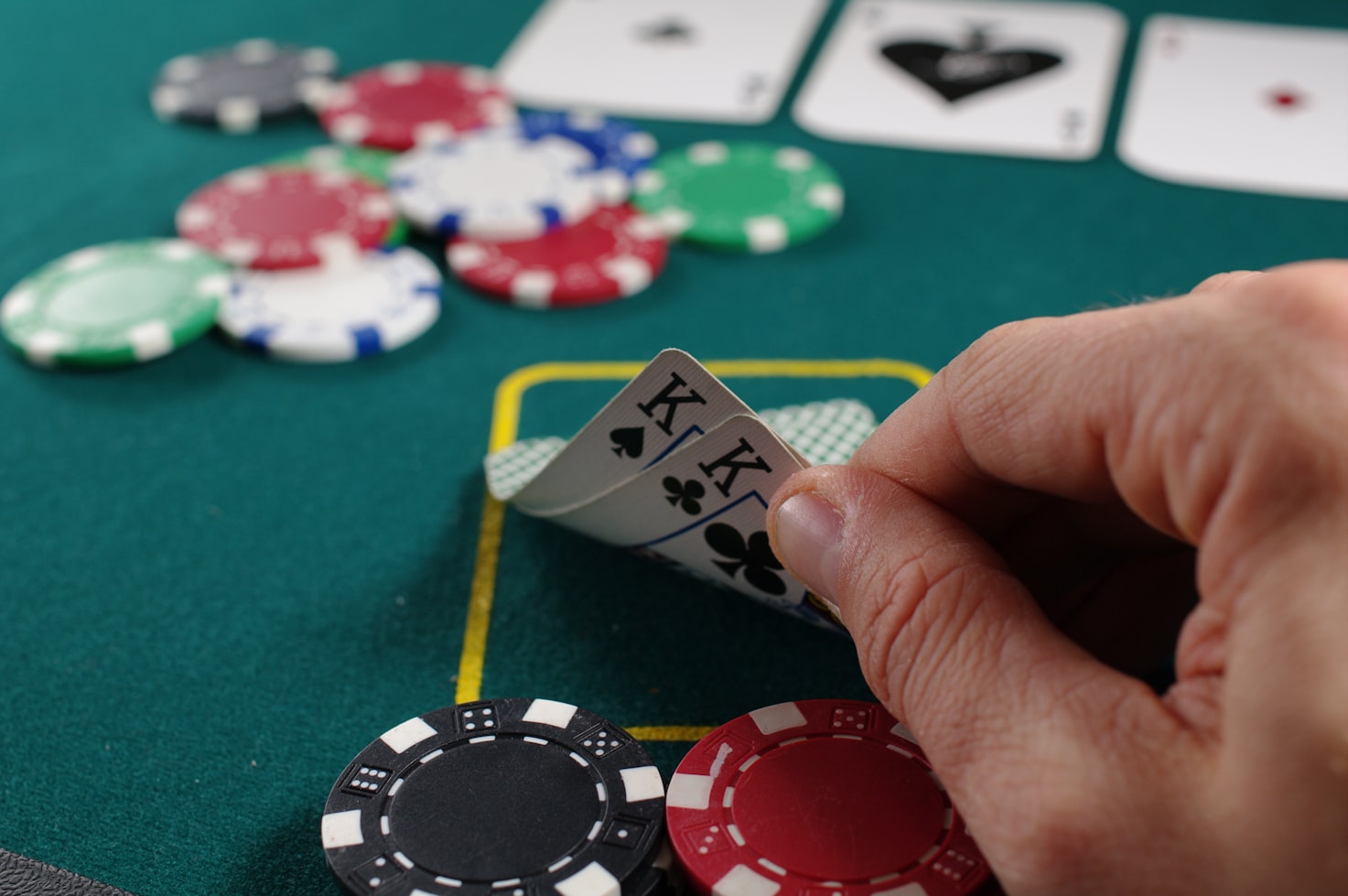
Conversely, skill games like poker or blackjack do offer an advantage to knowledgeable players. In these games, understanding probabilities, game mechanics, and opponent behavior can significantly increase one’s chances of winning. However, the notion that skills can alter outcomes in purely chance-based games can lead to harmful gambling behaviors, with players wagering more than they can afford in hopes of beating the odds.
Ultimately, separating skill from chance is crucial for responsible gambling. Players should assess their strengths realistically and choose games that align with their understanding and expertise. A balanced approach allows gamblers to enjoy their experience without falling into the trap of false confidence fueled by misconceptions about skill.
The Role of Casinos and House Edge
Another common belief is that casinos are inherently deceitful, manipulating outcomes to ensure that players always lose. While it is true that casinos have an advantage—known as the house edge—in every game, this does not mean that players cannot win. The house edge is a built-in statistical advantage designed to cover operational costs and ensure profit over the long term. Understanding this concept is crucial for players who wish to engage with games realistically.
Casinos operate under strict regulations and are regularly audited to ensure fairness. This transparency is essential for maintaining player trust. Many gamblers don’t realize that by playing responsibly and understanding the odds, they can still enjoy a rewarding gaming experience. Casinos also promote responsible gambling measures, offering resources and support for players who may struggle with their gambling habits.
Moreover, the perception that all players are destined to lose can deter newcomers from exploring the world of gambling. While the house edge does exist, players often experience moments of luck and success. Fostering a balanced understanding of both the risks and rewards can lead to a more positive outlook on the gambling experience, encouraging players to enjoy themselves without succumbing to defeatist attitudes.
Exploring the Online Gambling Landscape
In recent years, online gambling has seen a significant surge in popularity, yet misconceptions persist. One common myth is that online gambling is less secure than traditional casino experiences. In reality, reputable online platforms employ advanced security protocols and encryption technologies to protect player data and transactions. This level of security can often surpass that of physical casinos, which may not have the same resources dedicated to cybersecurity.
Another misconception is that online gambling is entirely devoid of human interaction. While it’s true that playing alone is an option, many online casinos offer live dealer games, providing the personal touch that many players seek. This blend of technology and human interaction enhances the gaming experience and draws in players who value social elements. Understanding these facets can make the online gambling experience more appealing and accessible.
Finally, many potential players may believe that online gambling requires extensive technical knowledge. However, most online platforms are designed to be user-friendly, offering tutorials, guides, and customer support to assist new users. By demystifying the online gambling process, more individuals can feel empowered to explore this avenue and potentially find enjoyment in the variety of games available.